



Can you light paint, or illuminate, a foreground in our National Park system for your night photo? If so, which ones?
Light painting
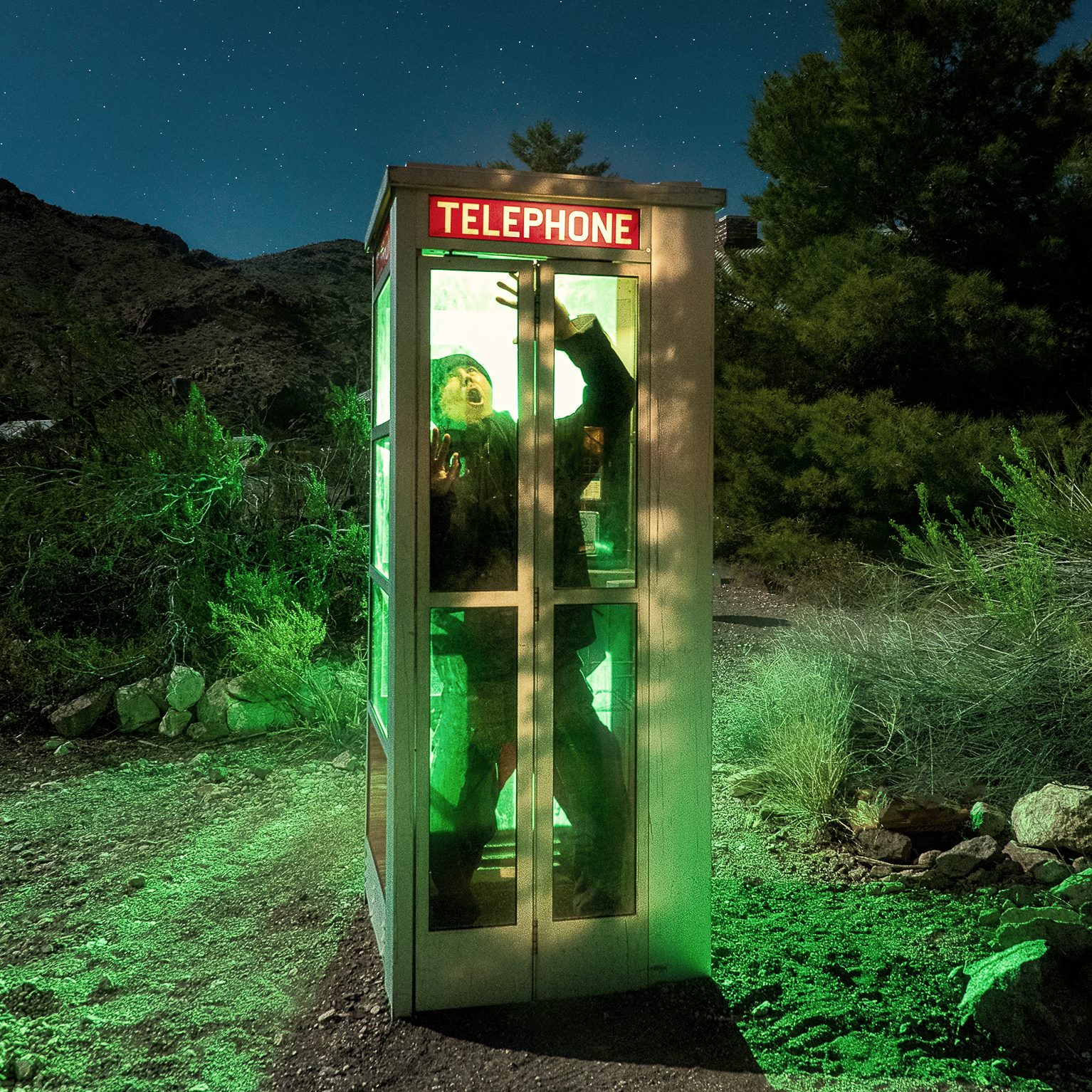
Light painting is illuminating a subject at night with light. This can be disruptive to others. Or to wildlife. And it’s compounded if it is with a crowd of people, such as what was happening at Delicate Arch in Arches National Park.

While I have joked about this while discussing photographs of people pointing their flashlights up at the Milky Way, this is actually a real issue borne out of some people’s frustration.
Where can I use artificial lighting in the National Park system?
The National Park Service manages 423 individual units. These 423 also include Monuments, Preserves, Reserves, Lakeshores, Rivers, Parkways, Historical Parks, Battlefields, Forests, and other designations. In 417 of these places, you may use artificial lighting, including light painting.

Where is artificial lighting banned?
This has changed in the past couple of years. However, to the best of my knowledge, the use of artificial light sources to illuminate landscapes, rock formations, or other park features is banned in Arches, Canyonlands, Natural Bridges National Monument, Hovenweep National Monument, Capitol Reef and Grand Teton National Parks. This of course includes “light painting”.
However, it also includes ultra-dim static lighting as well. This ultra-dim lighting is typically as bright as the stars and is virtually imperceptible to people.
Controversy

The ruling from these six units has been controversial among night photographers. Some feel that using very dim lighting from static panels does not disturb anyone, to the point where they are often not discernible except to the very sensitive sensors of a camera set to photograph long exposures at high ISOs.

Some photographers point out that it is OK to have cars racing through the parks at night. And in the case of Grand Teton, there’s also a highway, international airport, and private properties within its boundaries, all of which create more light than photographers ever would.
There are multiple sides to this issue. And people from these various sides often make strong points.
Regardless, most night photographers acknowledge that light painting can be disruptive to wildlife and people. Consequently, we choose to respect park regulations and share the space with others.





Light painting at night is prohibited at state and national parks that have received the “International Dark Sky Park” designation from the International Dark-Sky Association.
Thanks for commenting, Mike. From my experience, that does not appear to be true. Here’s why. 1.) There are 48 areas with a designation of “International Dark Sky Park” in the U.S. The information I can find from the Dark Sky site was from 2018, and is rather vague about this, stating a general prohibition of INAPPROPRIATE “light painting”. The word “inappropriate” is not defined. 2.) Additionally, I regularly interact with rangers and employees at Joshua Tree National Park and Anza-Borrego Desert State Park. Both these have the designation of “IDSP”. These rangers have stated several times that I am allowed to… Read more »
Could they ban flashlights at night used so you don’t fall off a cliff? Seems unlikely but they may just shut down the park at night so you cannot go in (for safety reasons) Always a good way to stop you from doing anything.
No, they cannot. See my response to Mike in the comments above.
Also, that would not be considered “light painting”.
Thanks!